



Planning Noise Control Solutions For New Plant & Equipment
When establishing a new capital project and introducing plant and equipment, it is often a long, stressful and resource-intensive process, especially for large developments. At the beginning, there are formal planning and permitting considerations and approvals, budgets, time scheduling and a need to solidify the technical functionality of the plant. Noise can sometimes fall off the development radar, but there can be significant consequences for its omission (e.g. failure to secure planning or permitting, costly design retrofitting, and programme time delays.)
Since our establishment in 1980, Wakefield Acoustics have supported numerous projects to define and fix the criteria for new plant installations. We have put together the following 7-step guide to assist you when managing noise at the outset of a new project.
1. Obtain accurate noise levels for the equipment
Whilst this seems obvious, source noise levels for equipment need to be considered at the outset. If noise is too high, it can affect operatives in the workplace, or alternatively, give sleepless nights for nearby residents.
2. Assess the location
If the plant is positioned externally to a building or has the capability to emit noise to the surrounding noise-sensitive areas, a background survey will be required, along with an assessment to BS4142. This assessment determines the impact of the installation on the local area. If equipment is located indoors, consideration should be given to the Control of Noise at Work Regulations, and an assessment done to review the impact on employees.
3. Determine a solution
Where noise is assessed and a problem is identified, steps need to be taken to reduce the impact. Such steps will include:
- Can quieter equipment be used?
- Can the equipment be relocated?
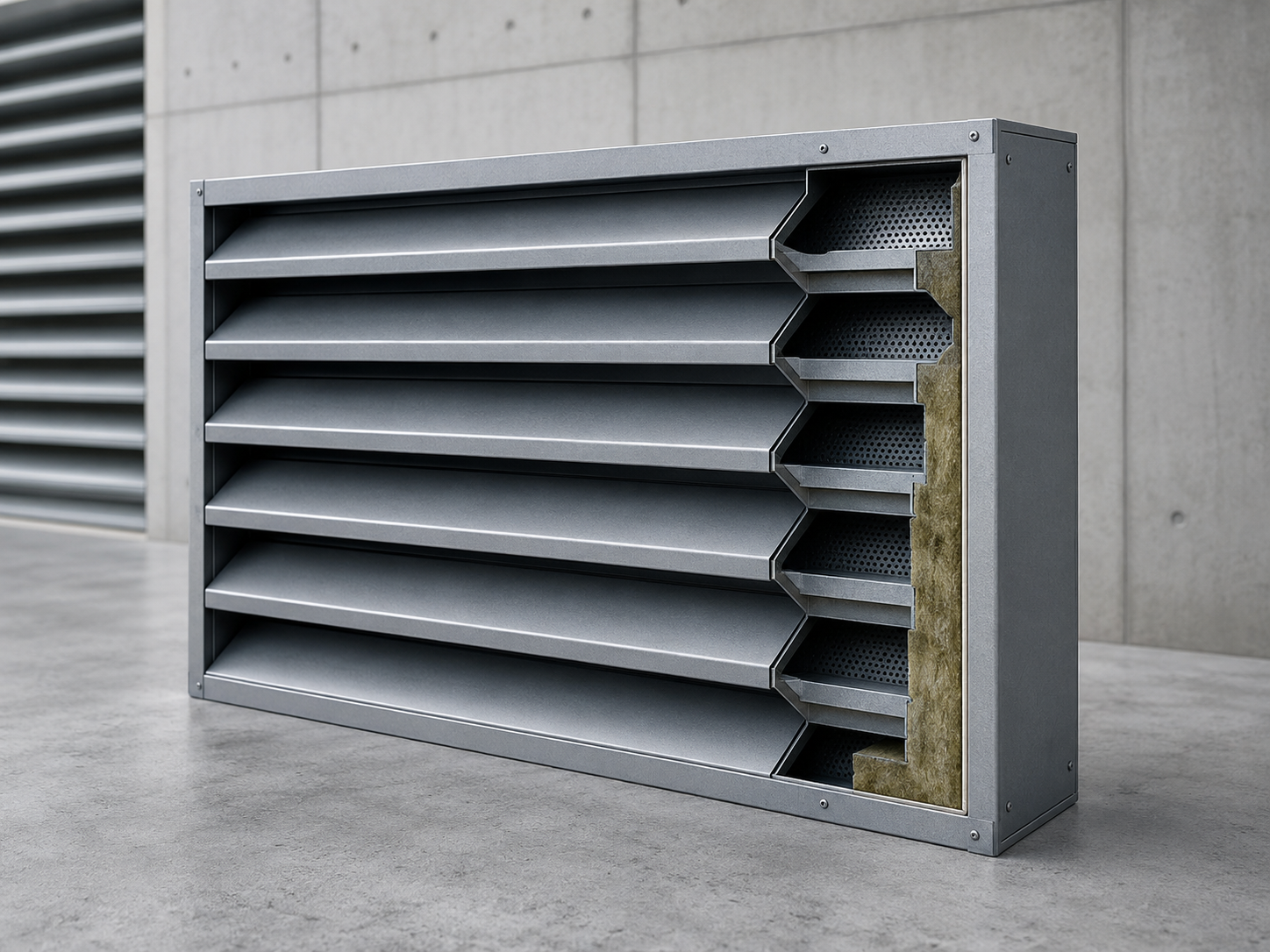
- What noise control measures can be implemented?
4. Reassess
Once a solution is established, re-run the assessment and calculations to determine the new impact to ensure this meets legislative requirements and/or the project planning or permitting conditions.
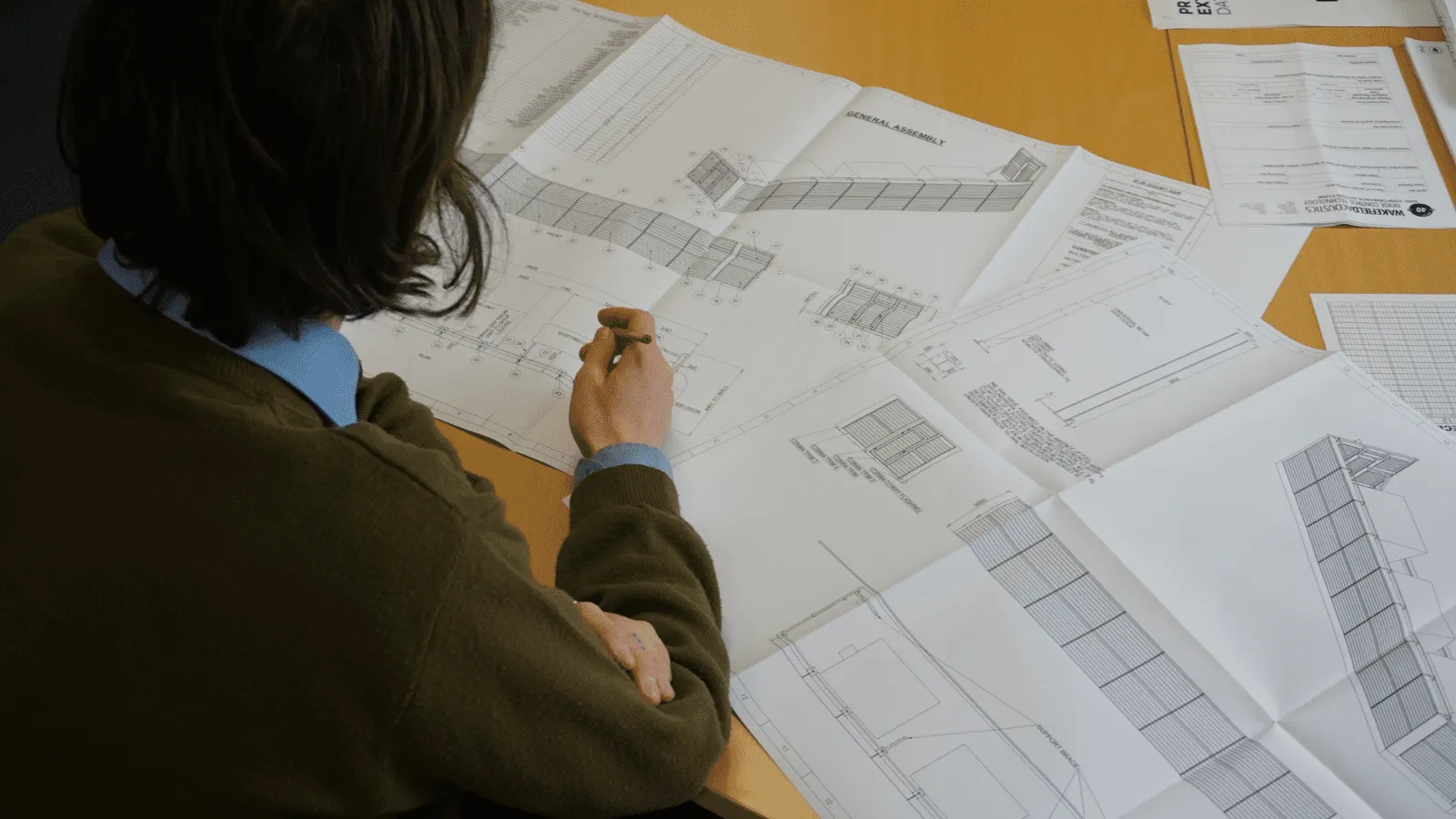
5. Detailed Design for Noise Control Works
Whilst the works have been determined in principle, a detailed design needs to be undertaken. An acoustic enclosure, for example, is not a simple lined box, and numerous aspects need to be considered in order that the equipment housed inside will operate correctly. Such things include:
- Heat emissions from equipment and ventilation of the plant
- Access and egress
- Visibility of plant
- Maintenance
- Suitability of materials in hazardous areas
- Aesthetics
6. Correct Implementation
The manufacture and erection of noise control solutions can go awry if not carefully monitored. Any gaps, missing seals, or poorly fitting panels or doors can lead to excessive noise emissions above the assessments and calculations.
7. Verification
Whilst everything may have been installed ‘as planned’, it is normal that a follow-up acoustic test or assessment is required to check noise levels comply with the acoustic design. This is normally stipulated in any planning documentation, and for noise in the workplace, should be regarded as good practice to ensure the health and safety of operatives.
If you have any questions regarding the above, please get in touch: [email protected]


Get In Touch
Engineering excellence in designing, manufacturing and installing industrial, commercial and environmental noise control products and systems.