



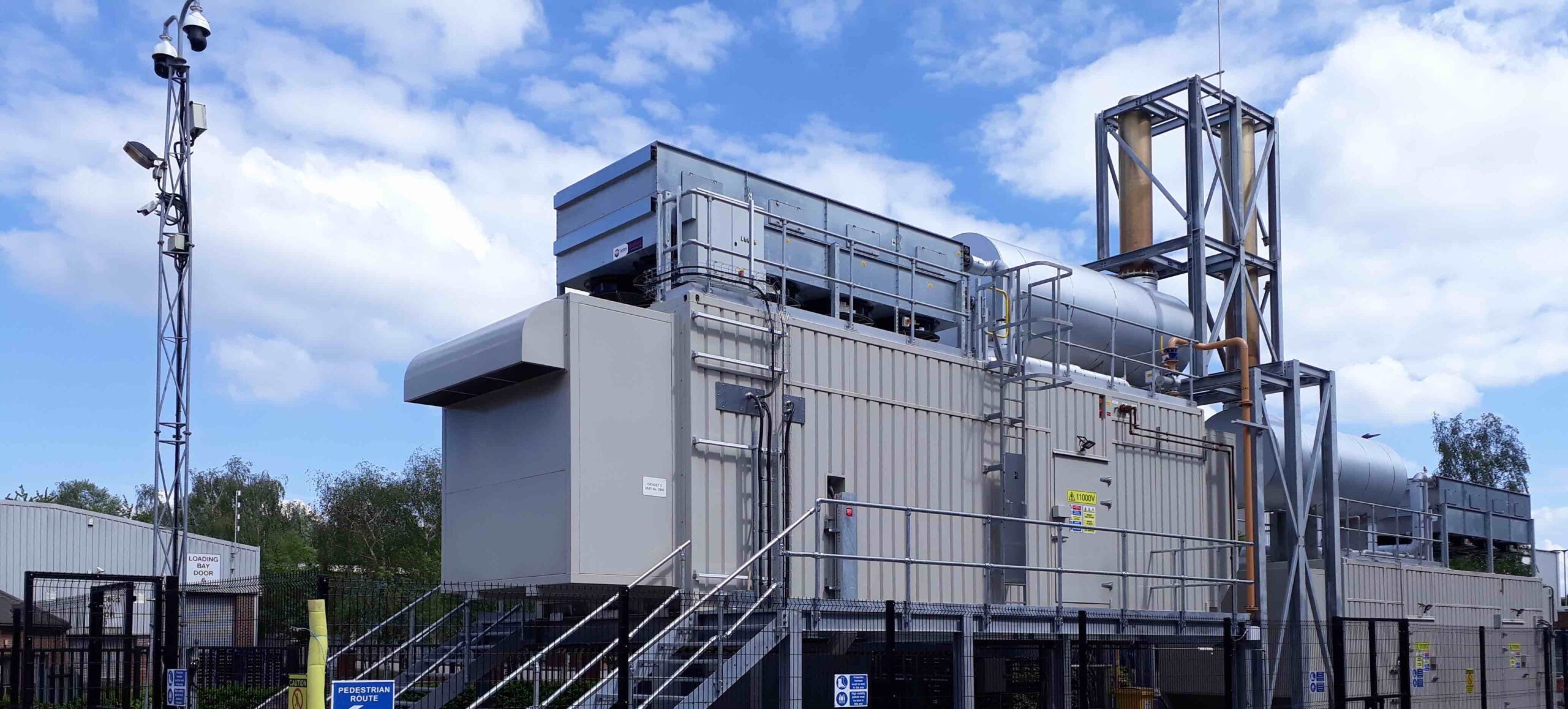
It has long been considered that Combined Heat and Power (CHP) is a more efficient process than traditional heat generation plants. CHP systems generate power typically by a main driver, and use the thermal energy produced to provide heat to buildings or other processes requiring such heat. CHP plants can use natural gas, biogas, biomass and even general household waste (in the form of EfW plants) as a source of fuel, with a main driver converting the fuel into power. This heat produced in the process would otherwise be wasted when generating electrical or mechanical power. The heat demanded in normal circumstances would have to be met with further fuel being burnt.
Installing New CHP Systems
Whilst the installation of new CHP systems may have been relatively flat over recent years, due to current energy price concerns, global market reports would seem to indicate growth in this sector over the coming years. Significant savings can be realised following the installation of CHP systems for energy-intensive sites such as hospitals, heavy industry, leisure centres, universities etc.
Noise Control Solutions
Noise is an important consideration when planning the installation of any CHP plant. CHP systems utilise machinery giving the potential for hearing loss for nearby workers, along with environmental noise affecting local neighbours. To this end, it is a normal requirement for operators and end users to provide some level of noise control for the CHP plant.
Sector Applications
CHP is one of the many industries served by Wakefield Acoustics, and further details of our products and services can be found by contacting our sales office.
Should you wish to find out more about our products and services, please call the office, or drop us an email at noise@wakefieldacoustics.co.uk
Wakefield Acoustics has extensive experience in providing bespoke solutions for general industrial applications:

Get In Touch
Engineering excellence in designing, manufacturing and installing industrial, commercial and environmental noise control products and systems.
CECO Environmental Corp Acquires Wakefield Acoustics
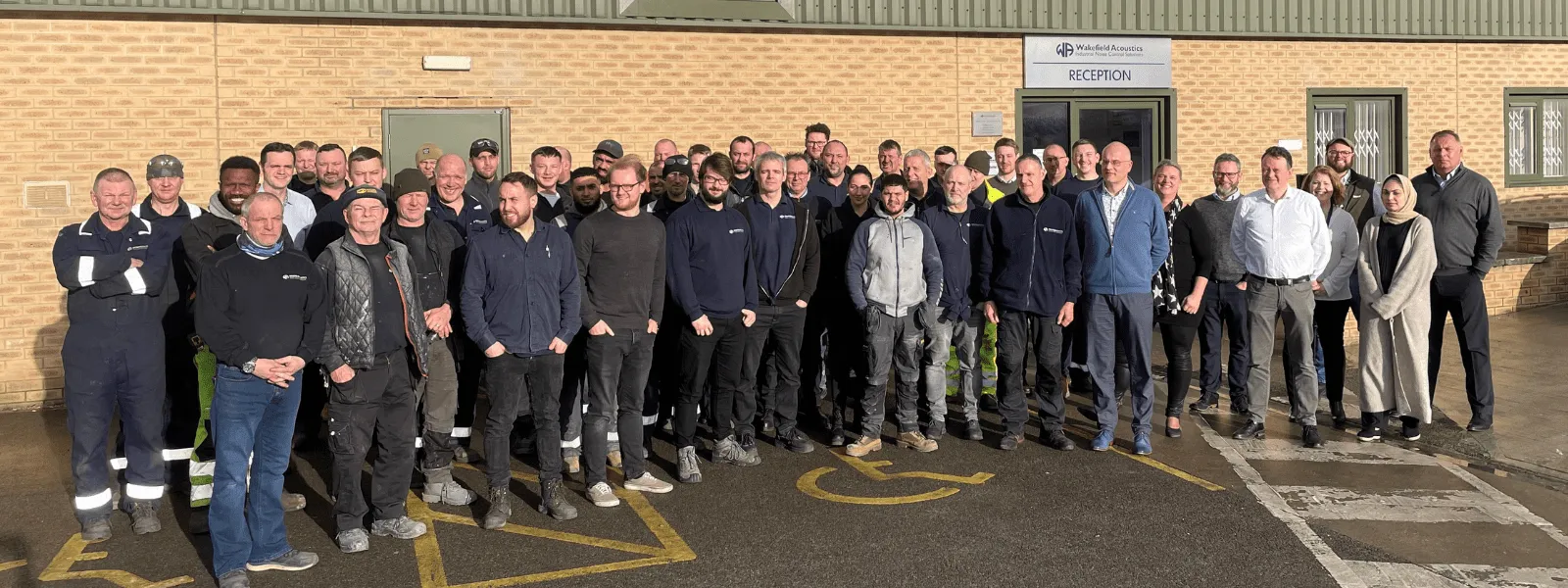
Earlier this month we announced the exciting news that Wakefield Acoustics was acquired by CECO Environmental, and become part of a global organisation under the ‘Thermal Acoustics’ business platform. CECO are a leading environmentally focused, diversified industrial company whose solutions protect people, the environment, and industrial equipment.
New International Opportunities Awaits Wakefield Acoustics
The news was welcomed by all employees at Wakefield Acoustics, especially given that we share the same core values as CECO in protecting the environment and people through the design and implementation of our industrial noise control solutions.
So the question is – ‘what changes at Wakefield Acoustics’? Well, the answer is not a great deal really. Wakefield Acoustics will trade under the same name since our foundation in 1980. We will continue to provide quality acoustic products manufactured from our facility in West Yorkshire. And, we will continue with the same management, sales, engineering and production teams. What is really exciting about this new venture is that Wakefield Acoustics now become part of a larger team, with an international platform, further expanding the opportunities for us to bring our skills and expertise in reducing and controlling industrial noise.
As we now operate under the ‘Thermal Acoustics’ banner, we will work closely with our new colleagues in CECO Burgess-Aarding, a leader in industrial silencer technologies, with a history dating back to the early 1900’s. Wakefield Acoustics products are complementary to those of Burgess-Aadring and allow us to provide combined noise reduction solutions for larger industrial and power generation sites.
Whilst additional market opportunities may open up for Wakefield Acoustics with the recent acquisition, our core focus still remains on serving the UK market for our core industries of power generation, oil and gas, construction, waste water and general industrial manufacturing.
Should you wish to find out more about the recent acquisition, or alternatively on our products and services, please call the office, or drop us an email at noise@wakefieldacoustics.co.uk
Get In Touch
Engineering excellence in designing, manufacturing and installing industrial, commercial and environmental noise control products and systems.
Planning Noise Control Solutions For New Plant & Equipment
When establishing a new capital project and introducing plant and equipment, it is often a long, stressful and resource-intensive process, especially for large developments. At the beginning, there are formal planning and permitting considerations and approvals, budgets, time scheduling and a need to solidify the technical functionality of the plant. Noise can sometimes fall off the development radar, but there can be significant consequences for its omission (e.g. failure to secure planning or permitting, costly design retrofitting, and programme time delays.)
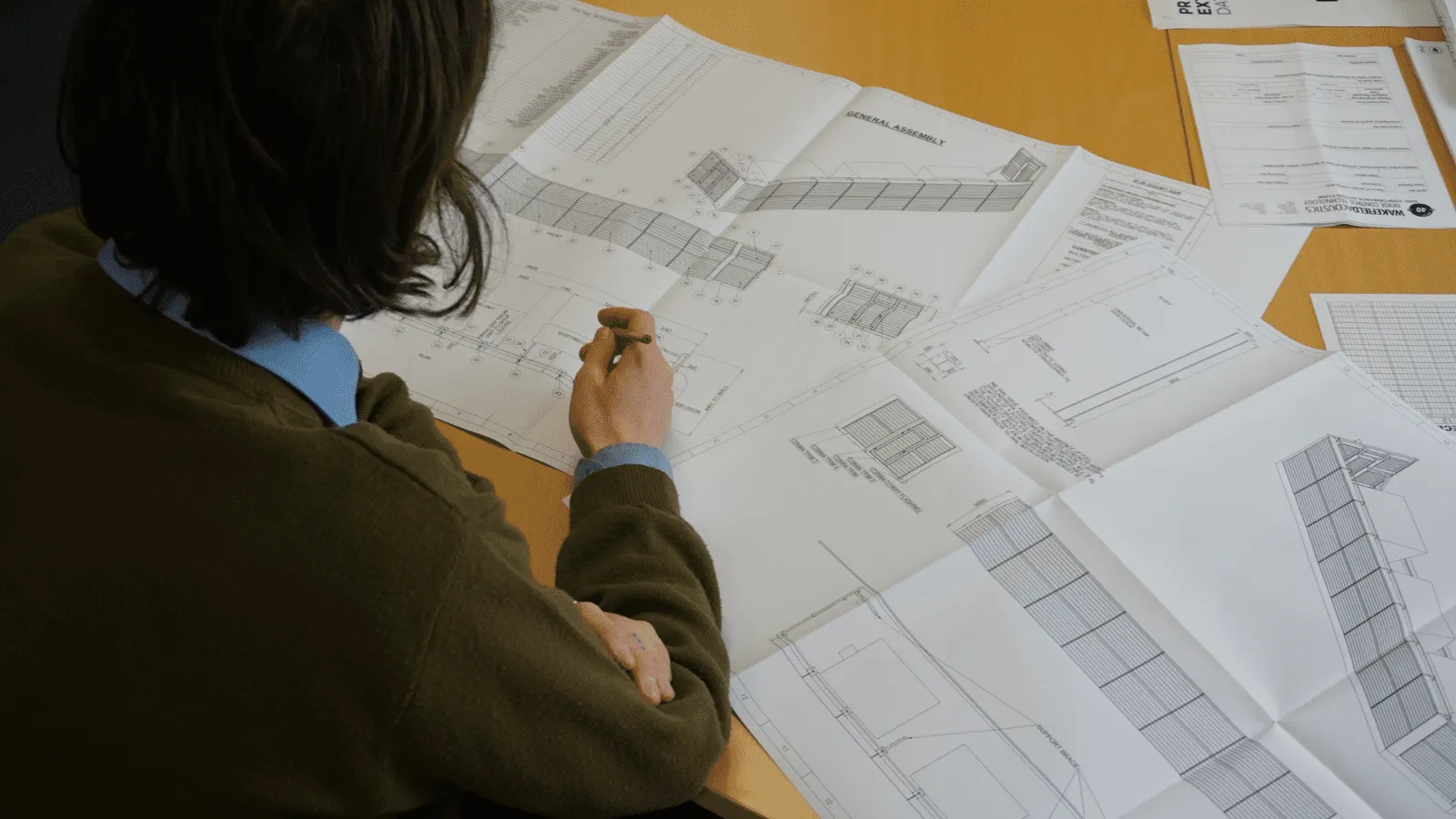
Since our establishment in 1980, Wakefield Acoustics have supported numerous projects to define and fix the criteria for new plant installations. We have put together the following 7-step guide to assist you when managing noise at the outset of a new project.
1. Obtain accurate noise levels for the equipment
Whilst this seems obvious, source noise levels for equipment need to be considered at the outset. If noise is too high, it can affect operatives in the workplace, or alternatively, give sleepless nights for nearby residents.
2. Assess the location
If the plant is positioned externally to a building or has the capability to emit noise to the surrounding noise-sensitive areas, a background survey will be required, along with an assessment to BS4142. This assessment determines the impact of the installation on the local area. If equipment is located indoors, consideration should be given to the Control of Noise at Work Regulations, and an assessment done to review the impact on employees.
3. Determine a solution
Where noise is assessed and a problem is identified, steps need to be taken to reduce the impact. Such steps will include:
- Can quieter equipment be used?
- Can the equipment be relocated?
- What noise control measures can be implemented?
4. Reassess
Once a solution is established, re-run the assessment and calculations to determine the new impact to ensure this meets legislative requirements and/or the project planning or permitting conditions.
5. Detailed Design for Noise Control Works
Whilst the works have been determined in principle, a detailed design needs to be undertaken. An acoustic enclosure, for example, is not a simple lined box, and numerous aspects need to be considered in order that the equipment housed inside will operate correctly. Such things include:
- Heat emissions from equipment and ventilation of the plant
- Access and egress
- Visibility of plant
- Maintenance
- Suitability of materials in hazardous areas
- Aesthetics
6. Correct Implementation
The manufacture and erection of noise control solutions can go awry if not carefully monitored. Any gaps, missing seals, or poorly fitting panels or doors can lead to excessive noise emissions above the assessments and calculations.
7. Verification
Whilst everything may have been installed ‘as planned’, it is normal that a follow-up acoustic test or assessment is required to check noise levels comply with the acoustic design. This is normally stipulated in any planning documentation, and for noise in the workplace, should be regarded as good practice to ensure the health and safety of operatives.
If you have any questions regarding the above, please get in touch: noise@wakefieldacoustics.co.uk
Get In Touch
Engineering excellence in designing, manufacturing and installing industrial, commercial and environmental noise control products and systems.
The level at which employers must provide hearing protection and hearing protection zones is 85 dB(A) (daily or weekly average exposure) and the level at which employers must assess the risk to workers’ health and provide them with information and training is 80 dB(A). There is also an exposure limit value of 87 dB(A), taking account of any reduction in exposure provided by hearing protection, above which workers must not be exposed.
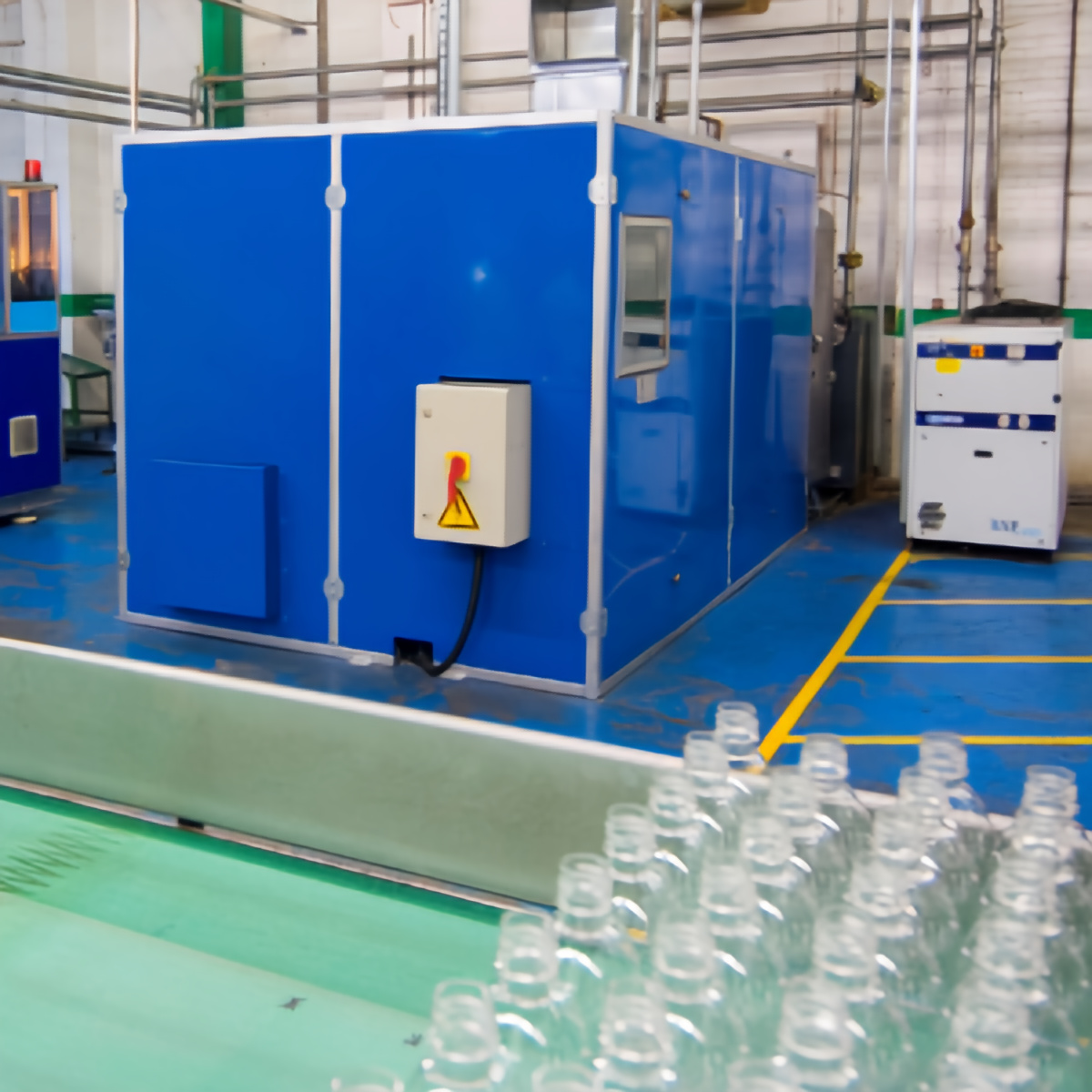
Factory noise reduction solutions
- Acoustic enclosures fan be fitting around a noisy piece of equipment to reduce the noise.
- Rectangular splitter attenuators or circular attenuators can be used to reduce duct born noise.
- Acoustic louvres can be used to maintain airflow requirements in/out of a noisy factory while reducing the level of air born noise. The louvres also prevent water ingress.
Reducing background factory noise.
Absorptive acoustic paneling can be positioned to absorb noise from noisy machinery and help to reduce the reverberant noise.
Factory noise reduction in residential areas
Acoustically enclose any noisy external plant equipment.
Install acoustic louvres and/or duct mounted attenuators at points at which inlet/outlet airflow pass through the building envelope.
Reducing factory noise at night
- Determine if any noisy equipment can be turned off throughout the night.
- Close any roller shutters to prevent noise breakout from the factory.
If your factory needs to reduce its noise levels please get in touch to discuss ways in which we can assist: noise@wakefieldacoustics.co.uk
Get In Touch
Engineering excellence in designing, manufacturing and installing industrial, commercial and environmental noise control products and systems.
Noise Regulations
The Control of Noise at Work Regulations 2005 (the Noise Regulations) came into force for all industry sectors in Great Britain on 6 April 2006 (except for the music and entertainment sectors where they came into force on 6 April 2008).
The aim of the Noise Regulations is to ensure that workers’ hearing is protected from excessive noise at their place of work, which could cause them to lose their hearing and/or to suffer from tinnitus (permanent ringing in the ears).
The Control of Noise at Work Regulations 2005 replace the Noise at Work Regulations 1989.
The level at which employers must provide hearing protection and hearing protection zones is now 85 decibels (daily or weekly average exposure) and the level at which employers must assess the risk to workers’ health and provide them with information and training is now 80 decibels. There is also an exposure limit value of 87 decibels, taking account of any reduction in exposure provided by hearing protection, above which workers must not be exposed.
The Health and Safety Executive web site (www.hse.gov.uk/noise) provides wide ranging and helpful information on the legislation (Control of Noise at Work Regulations 2005) and other issues relating to noise.
Other Useful Links:
DEFRA develops and promotes initiatives to address noise and other statutory nuisances and manages research into noise.
The Noise and Nuisance Policy Team develops noise policy and then implements legislation.
Further information at www.defra.gov.uk/environment/noise